Skip to content
Tarangire National Park

National Parks & Wildlife

Tarangire National Park

Renowned for gigantic ancient baobab trees, the Tarangire River lifeline, over 550 bird species, and Africa’s highest concentrations of elephant families.

Location Manyara Region, Northern Tanzania
Best Time June to November (peak dry season brings enormous elephant herds to the Tarangire River)
Elevation 1,100 m
Category National Parks & Wildlife

About Tarangire National Park

Tarangire National Park spans 2,850 square kilometers and is the hidden treasure of the Northern Safari Circuit. Characterized by undulating hills, vast swamps, and towering centuries-old African baobabs (Adansonia digitata), Tarangire transforms into an animal paradise during the dry season.

The Elephant Sanctuary

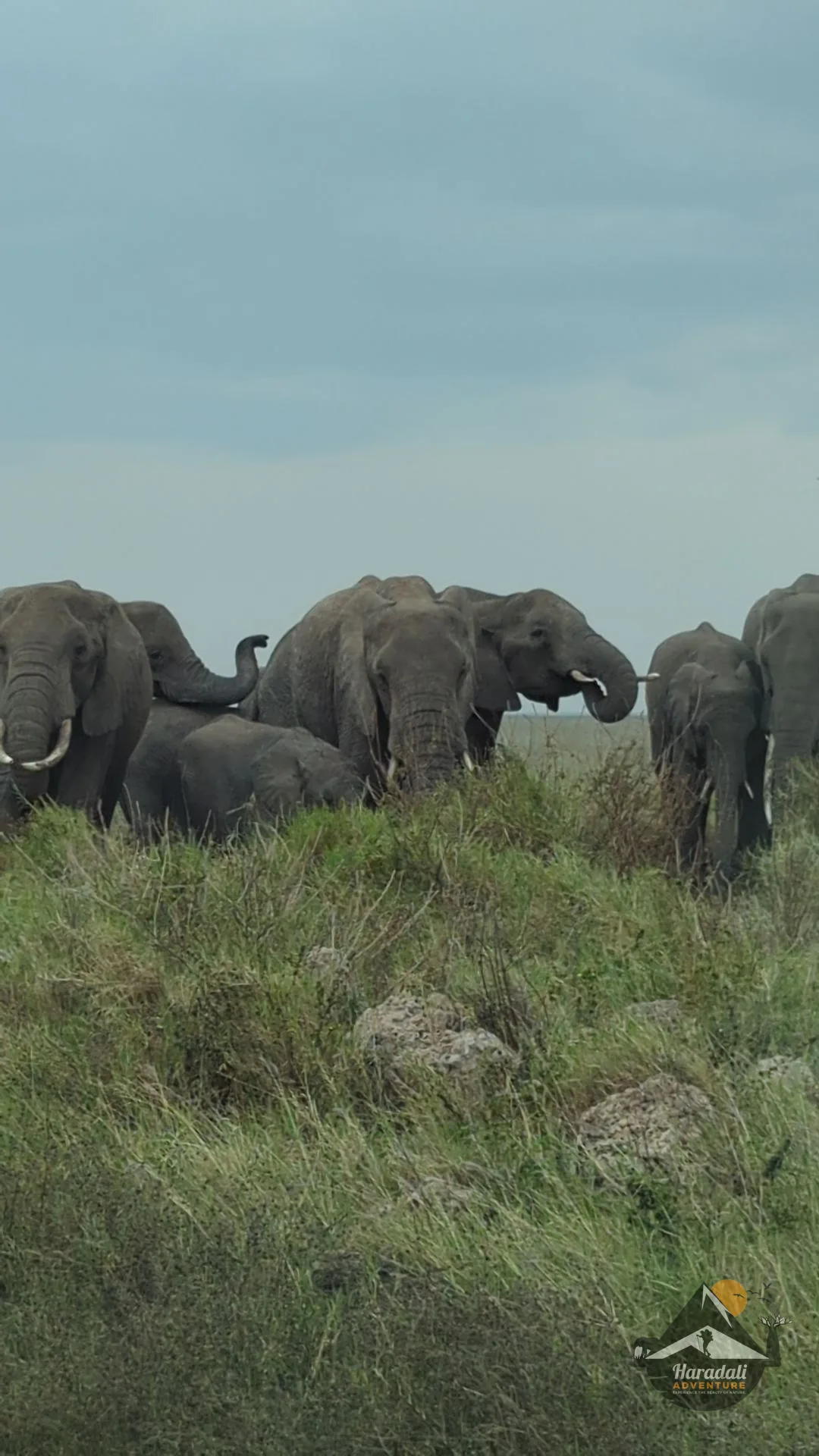
Tarangire is globally famed for hosting herds of up to 300 elephants congregating along the permanent waters of the Tarangire River. During the dry months of June to October, wildlife migrates into the park from the surrounding Maasai Steppe, making it second only to the Serengeti in total wildlife biomass.

Birdwatcher's Paradise

With more than 550 recorded avian species—including the endemic yellow-collared lovebird, red-and-yellow barbet, martial eagle, and Kori bustard—Tarangire boasts one of the highest bird counts on the African continent.
Why Experience Tarangire National Park

Pristine Wilderness

Unspoiled African landscapes extending across vast horizons, home to protected ecosystems and ancestral wildlife migration corridors.

Unmatched Wildlife

High predator density, legendary herbivores, and prolific bird species tracked daily by Haradali's professional safari driver-guides.

Ethical Stewardship

Park conservation fees directly support wildlife rangers, anti-poaching patrols, and surrounding community development initiatives.

Best Time To Visit

Planning your trip depends on the seasonal rhythms of northern Tanzania. Here is how conditions shift throughout the calendar year:

Dry Season (June – October)

Vegetation is sparse and water is scarce, drawing large concentrations of animals to rivers and watering holes. Optimal visibility, low mosquito activity, and clear sunny skies make this the peak safari season.

Green Season (November – May)

Lush green savannah, dramatic skies, and fewer visitors. This season is paradise for photographers and birdwatchers, with thousands of migratory bird species arriving and newborn animals across the plains.

Wildlife You May Encounter

This habitat supports some of the richest mammal biodiversity on earth. While wildlife sightings in the wild are never 100% guaranteed, our custom 4x4 pop-up roof safari vehicles provide 360-degree viewing perspectives.

African Lions
Bush Elephants
Leopards
Cape Buffaloes
Cheetahs
Giraffes
Zebras & Wildebeest
Over 400 Bird Species

Signature Safari Experiences

Dawn & Dusk Game Drives

Explore when predators are most active in the golden light of early morning and late afternoon.

Hot Air Balloon Safari

Drift silently above the plains at sunrise followed by a celebratory champagne bush breakfast.

Cultural Community Visits

Learn about traditional pastoralist customs and Maasai boma life with respectful local cultural guides.

Where To Stay

Accommodations in Tarangire National Park range across three tailored tiers. We select lodges that demonstrate environmental sustainability and authentic hospitality:

Luxury Safari Lodges

Permanent stone lodges with infinity pools, fine dining, and private viewing decks.

Tented Wilderness Camps

Spacious canvas tents with proper beds, en-suite bathrooms, and sounds of the bush.

Mobile Migration Camps

Eco-friendly seasonal camps that move with wildlife herds for optimal proximity.

Getting There & Logistics

By Air (Bush Flights)

Scheduled light aircraft flights operate daily from Kilimanjaro International Airport (JRO) and Arusha Airport (ARK) directly to local airstrips in under an hour.

By Road (Scenic Overland)

Private 4x4 safari transport drives via paved highways transitioning to unpaved wilderness tracks, offering panoramic views of the Great Rift Valley escarpment.

Safari Photography Advice

  • Bring a telephoto lens (100–400mm or equivalent) for close-ups of distant predators.
  • Protect equipment with dust covers and beanbags for steady shooting on car roof edges.
  • Take advantage of early morning light when animals are active and skies are clear.
  • Respect wildlife safety distances: Haradali strictly observes park ethical driving rules.

Explore Tanzania

Sample Itineraries Visiting Tarangire National Park

Browse all safari packages
An elephant in tall grass on safari in Tanzania

Tarangire, Lake Manyara, Serengeti (3 Nights) & Ngorongoro

8 Day Grand Northern Circuit Safari: Tarangire & Serengeti

8 days•Easy
  • 8 days
  • Easy

The definitive 8-day Northern Circuit expedition: immersive game viewing across Tarangire, Lake Manyara, 3 full nights exploring Serengeti sectors, and Ngorongoro Crater.

From $2,850 per person

A herd of impala in woodland, Tanzania

Tarangire, Central Serengeti, Migration Corridor & Ngorongoro

6 Day Great Migration Safari: Tarangire & Serengeti

6 days•Easy
  • 6 days
  • Easy

Follow the thunder of the Great Wildebeest Migration across the Serengeti, combined with giant elephant herds in Tarangire and the Big Five in Ngorongoro Crater.

From $1,980 per person

Lions resting on the dusty floor of Ngorongoro Crater

Northern Tanzania Parks

4 Day Tanzania Safari: Serengeti & Ngorongoro

4 days•Easy
  • 4 days
  • Easy

Experience the ultimate Tanzania safari adventure through Tarangire, Serengeti, Ngorongoro Crater, and Lake Manyara. This 4-day safari itinerary combines breathtaking wildlife encounters, stunning landscapes, and unforgettable game drives across some of Africa’s most iconic national parks.

From $1,480 per person

Visuals

Tarangire National Park Photos

Traveller Experiences

  • Octavio R

    Verified5/5

    “Great achievement and wonderful team”

    Joining Haradali Adventure for the 7-day Kilimanjaro climb was an experience that was a great achievement in my life. The trekking was very well organized, and everything felt smooth, safe and very careful. I highly recommend Jackson and his excellent team. The guides and porters were incredibly experienced and always made sure we were doing okay. Very supportive and helpful team.

    10/12/2026

  • Joao S

    Verified5/5

    “Challenging and rewarding Lemosho Route climb”

    Climbing Kilimanjaro via the Lemosho Route with Haradali Adventure was one of the most challenging and rewarding experiences for our group. The team really took the time to understand our pace and energy, which made a huge difference over the 7 days. The guides were incredibly attentive and knowledgeable, always checking in on how we were feeling, both physically and mentally. The porters and cooks were just awesome and very patient. They always inspired us and ensured our safety.

    10/12/2026

  • Lukasz S

    Verified5/5

    “Incredible live trip to Mount Kilimanjaro”

    I would like to sincerely thank the entire team at Haradali Adventure for organizing such an incredible live trip to Mount Kilimanjaro. Everything was perfectly arranged from start to finish — the logistics, the guides, the support team, and the overall atmosphere made this experience truly unforgettable. The professionalism, safety standards, and positive energy of the crew gave me full confidence throughout the climb. Thanks to you, reaching the summit was not just a personal achievement, but also an amazing journey shared with great people. Highly recommend Haradali Adventure!

    10/12/2026

  • Jensik P

    Verified5/5

    “Safe and exceptional climbing experience”

    My wife and I completed the 8-day Machame Route trek. The journey was challenging, exciting, and full of incredible moments from beginning to end, and everything was perfectly organized by Haradali Adventure. Our guides were very professional and supportive, always checking how everyone was feeling and making sure we kept a good pace for acclimatization. The porters and camp crew worked incredibly hard behind the scenes. The Haradali team was very responsible and their professionalism, organization, and support made our adventure safe, smooth, and truly memorable.

    10/12/2026

Need to know

Questions About Tarangire National Park

Why is Tarangire best visited during the dry season (July to October)?

Between late June and October, the seasonal waterholes across the 20,000 sq km Maasai Steppe completely evaporate. The permanent waters of the Tarangire River and lush Silale Swamp become the sole liquid lifeline for miles around. Over 250,000 migratory mammals—including vast herds of wildebeest, zebras, elands, and buffaloes—converge on the river valley. This dry season migration creates the second highest concentration of wildlife in Tanzania after the Serengeti, framed by short golden grass that allows phenomenal predator visibility.

Was this answer helpful?
How large are the elephant numbers and herds in Tarangire?

Tarangire National Park is celebrated worldwide as the Kingdom of Elephants, sheltering over 4,000 to 5,000 resident African elephants (Loxodonta africana). During the dry season, visitors routinely observe super-herds of 100 to 300 individuals marching together down dry riverbeds. Decades of research by the Tarangire Elephant Project reveal intricate matrilineal structures; guests can watch matriarchs dig deep waterholes in dry sand with their feet and trunks, tapping clean underground aquifers that also sustain baboons and birds.

Was this answer helpful?
What is the significance of the iconic Baobab trees in Tarangire?

The African Baobab (Adansonia digitata), nicknamed the 'Upside-Down Tree' or 'Tree of Life', defines Tarangire's dramatic landscape. Many specimens in the park are estimated to be between 500 and 1,000 years old. Baobab trunks are capable of storing over 100,000 liters of water inside spongy fibrous wood. During severe droughts, thirsty elephants use their tusks to carve out bark and fiber for life-saving moisture. The trees' massive hollows also serve as vital nesting cavities for bats, owls, and red-and-yellow barbets.

Was this answer helpful?
Are there tsetse flies in Tarangire, and how can travelers prevent bites?

Yes, tsetse flies (Glossina species) live in dense acacia-commiphora woodlands and riverine thickets within northern and central Tarangire. While they do not transmit sleeping sickness to tourists, their bite is sharp and irritating. To prevent bites: (1) Avoid wearing dark blue and black clothing, as tsetse flies are strongly attracted to dark silhouettes; (2) Wear neutral safari tones such as khaki, beige, tan, or olive-green; (3) Wear long trousers and long-sleeved shirts made of lightweight, closely-woven fabrics; and (4) Apply insect repellents containing DEET or oil of lemon eucalyptus.

Was this answer helpful?
What birdlife can birdwatchers expect to see in Tarangire?

Tarangire is one of East Africa's top birdwatching destinations, with over 550 catalogued species. It is home to three Tanzanian endemics: the yellow-collared lovebird, the rufous-tailed weaver, and the ashy starling. The marshes of Silale Swamp teem with Goliath herons, saddle-billed storks, white-faced whistling ducks, and pygmy falcons. In open grasslands, travelers frequently spot Africa's largest bird (the common ostrich) and the world's heaviest flying bird (the Kori bustard), alongside martial eagles and bateleurs.

Was this answer helpful?
Are there tree-climbing lions in Tarangire National Park?

While Lake Manyara is internationally famous for tree-climbing lions, lions in Tarangire regularly climb the low branches of sausage trees (Kigelia africana) and flat-topped acacias. Prides climb into the canopy during hot afternoons to catch cool breezes, escape bothersome biting flies on the forest floor, and scan the surrounding savanna for grazing warthogs, zebras, and impalas.

Was this answer helpful?
Can you go on walking safaris and night game drives in Tarangire?

Yes! Unlike Serengeti and Ngorongoro Crater where off-road walking and night driving are strictly prohibited, Tarangire permits both activities. Guided bush walks accompanied by armed TANAPA rangers let you learn tracking skills, inspect termite mounds, and observe animal spoor up close. Night game drives, conducted inside the park or within adjacent community conservation areas like Randilen WMA, offer rare opportunities to spot leopards, servals, white-tailed mongooses, and bushbabies.

Was this answer helpful?
Is it better to stay at lodges inside or outside Tarangire National Park?

Staying inside the park (such as Kuro Tarangire, Oliver's Camp, or Tarangire Safari Lodge) gives you first access to prime river tracks at dawn before gate queues arrive and places you closer to the remote southern Silale Swamp. Staying just outside the park in private Wildlife Management Areas (such as Randilen or Sangaiwe) offers greater flexibility for night game drives, Maasai village cultural interactions, and unhurried bush walks that are not subject to strict park gate closing hours.

Was this answer helpful?

More destinations

Other Places in Northern Tanzania

Culture & Nature

Lake Eyasi

A pristine Great Rift Valley soda lake and the ancestral sanctuary of Africa's last hunter-gatherers, the Hadzabe, and skilled Datoga blacksmiths. Renowned for 300+ bird species, flamingos, and authentic cultural expeditions.

Best time: June to October (dry season, ideal for walking safaris and Hadzabe hunting excursions) and December to March (superb birdwatching and seasonal flamingo gatherings).

Mount Kilimanjaro

Mountains & Trekking

Mount Kilimanjaro

The Roof of Africa and the world’s tallest free-standing mountain. Mount Kilimanjaro rises majestically from equatorial plains to snow-capped Uhuru Peak at 5,895 meters.

Best time: January - March (warmest, clearest) and June - October (dry, crisp)

National Parks & Wildlife

Ngorongoro Conservation Area

The world's largest unbroken volcanic caldera and a UNESCO World Heritage Site. Home to 25,000 large mammals, endangered black rhinos, the Leakeys' Olduvai Gorge 'Cradle of Mankind', 3.6M-year-old Laetoli footprints, and Empakaai crater trekking.

Best time: Year-round; June to October (dry season, crisp game spotting) and November to May (lush green landscapes and flamingos on Lake Magadi).

Serengeti National Park

National Parks & Wildlife

Serengeti National Park

World-famous endless plains hosting the Great Wildebeest Migration, the 4 key sectors (Seronera, Western Corridor, Northern Mara, Ndutu), and dawn hot air balloon safaris.

Best time: Year-round: Jan-Mar (Ndutu Calving), May-Jul (Western Grumeti), Jul-Oct (Kogatende Mara Crossings)

Custom Journey

Plan Your Tailored Safari to Tarangire National Park

Every itinerary is built around your schedule, preferred accommodation comfort, and pace. Tell us your travel dates and group details to receive a complimentary custom proposal.

Inquire about this destination

We will reply We reply within 24 hours.. No payment is taken online.

Haradali Adventure Assurance

  • Licensed Tanzanian operator headquartered in Arusha.
  • Private customized 4x4 vehicles with guaranteed window seats.
  • Transparent itemized quotes with no hidden park permit surprises.

Prefer instant messaging?

Message us on WhatsApp

Common questions

Frequently asked questions

What is included in your safari and tour packages?

Most of our packages include accommodation, meals, park fees, private 4x4 safari transport, professional guides, airport or hotel transfers, and activities mentioned in the itinerary. Specific inclusions may vary depending on the tour.

Was this answer helpful?
What is the best time to visit Tanzania?

Tanzania can be visited year-round, but the best time for safaris is usually during the dry season from June to October. Zanzibar is also beautiful during this period, while Kilimanjaro climbs are ideal from January to March and June to October.

Was this answer helpful?
Can I customize my safari itinerary?

Yes! We specialize in personalized experiences and can tailor your safari, Zanzibar holiday, or Kilimanjaro trek based on your travel style, budget, and preferences.

Was this answer helpful?
What type of accommodations do you offer?

We offer a variety of accommodations including budget camps, mid-range lodges, luxury safari lodges, beachfront resorts, and mountain camps during Kilimanjaro treks.

Was this answer helpful?
Are your safaris private or shared?

We offer both private and group safari options. Private safaris provide a more personalized experience, while group safaris are a great option for travelers looking for a more affordable adventure.

Was this answer helpful?
Is climbing Mount Kilimanjaro difficult?

Climbing Kilimanjaro is physically challenging but achievable for most people with proper preparation and determination. Choosing the right route and itinerary greatly improves acclimatization and summit success.

Was this answer helpful?

All questions

Plan with confidence

What travellers ask before they book

Keep reading

Related guides and articles

All guides →