World-famous endless plains hosting the Great Wildebeest Migration, the 4 key sectors (Seronera, Western Corridor, Northern Mara, Ndutu), and dawn hot air balloon safaris.
Location
Northern Tanzania (Bordering Kenya's Masai Mara)
Best Time
Year-round: Jan-Mar (Ndutu Calving), May-Jul (Western Grumeti), Jul-Oct (Kogatende Mara Crossings)
Elevation
920 m - 1,850 m
Category
National Parks & Wildlife
About Serengeti National Park
Serengeti National Park is Tanzania’s oldest and most iconic national park, covering 14,750 square kilometers (5,700 sq miles) of pristine African wilderness. Named after the Maasai word Siringit—"the place where the land moves on forever"—the Serengeti is a UNESCO World Heritage Site hosting the greatest mammal spectacle on earth: the annual Great Wildebeest Migration.
The 4 Key Ecological Sectors of Serengeti
To truly experience the Serengeti, one must understand its four distinct geographic sectors, each characterized by unique topography, microclimates, wildlife concentrations, and migration timing:
1. Seronera & Central Serengeti: Year-Round Big Cat Capital
Located in the heart of the national park, Seronera is defined by the life-giving waters of the Seronera River and its network of valleys. This sector is famous for:
Perennial Water Source: The Seronera River provides consistent water year-round, anchoring high densities of resident wildlife even during harsh dry seasons.
Predator Hotspot: Renowned as the predator capital of Africa, Seronera supports one of the world's densest leopard populations along riverine yellow-barked acacias and sausage trees, alongside numerous resident lion prides.
Moru Kopjes & Black Rhinos: Ancient granite inselbergs (kopjes) rising like stone islands out of the savannah. Moru Kopjes is the designated sanctuary for the park’s elusive population of endangered black rhinos, guarded by specialized TANAPA anti-poaching units, and features ancient Maasai rock paintings at Gong Rock.
Lake Magadi & Seronera Information Center: Saline Lake Magadi frequently hosts dazzling flocks of flamingos, while the Seronera Visitor Center provides interactive wildlife exhibits, walking paths, and the primary park airstrip.
Extending approximately 100 kilometers west from Seronera towards the shores of Lake Victoria, the Western Corridor is an aesthetically diverse terrain shaped by two parallel waterways: the Grumeti River and Mbalageti River.
Grumeti River Crossings: Between May and July, the migrating herds gather on the south banks of the Grumeti River. Here, wildebeest and zebras face steep mud banks and colossal Nile crocodiles—some exceeding 5 meters in length—in a gripping struggle for survival.
Lush Riverine Forests: Riverine canopies support species found nowhere else in the Serengeti, including black-and-white colobus monkeys, martial eagles, and giant kingfishers.
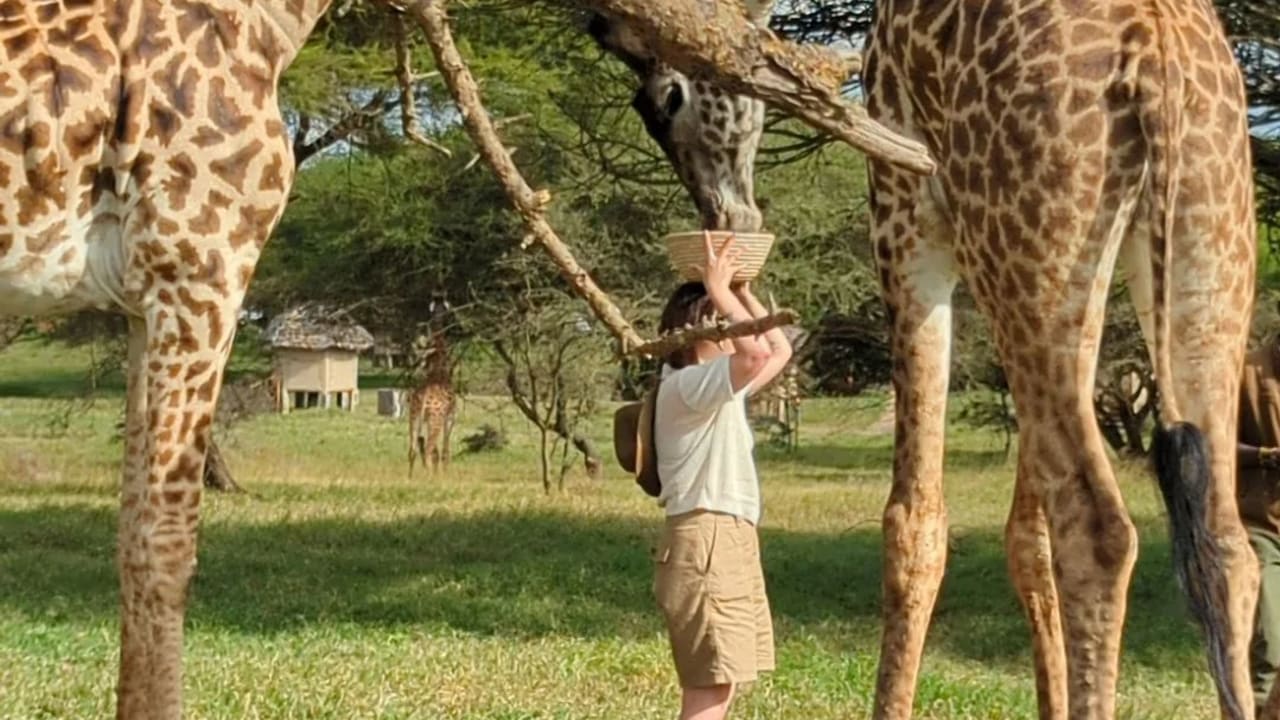
Resident Wildlife: Large resident pods of hippos inhabit the river pools, while the surrounding broken acacia savannah shelters giraffe towers, eland, impala, and formidable buffalo herds.
Exclusive Safari Ambiance: With fewer lodges and strict visitor management, the Western Corridor offers an intimate wilderness experience away from high-season vehicle clusters.
Stretching from the Lobo Hills north to the Kenya border, the Northern Serengeti is an unspoiled wilderness of open rolling grasslands, granite ridges, and dramatic river gorges.
World-Famous Mara River Crossings: Between July and October, hundreds of thousands of wildebeest plunge down treacherous, boulder-strewn riverbanks into the churning waters of the Mara River near Kogatende. This is the ultimate crucible of the Great Migration, featuring epic crocodile ambushes and apex lion action.
Scenic Lobo Hills & Kopjes: The dramatic boulder-capped Lobo Kopjes provide majestic elevated views and shelter strong resident prides of lions, leopards, and agile klipspringers.
Black Rhino Sightings & Topi Herds: A small reintroduced black rhino population roams the northern valleys, alongside vast herds of topi, eland, and migratory elephant families.
Remote Luxury: The Kogatende area features exceptional seasonal mobile tented camps and permanent luxury retreats, granting immediate front-row access to active crossing points.
Encompassing the short-grass plains stretching across the southern Serengeti boundary and the Ndutu area of the Ngorongoro Conservation Area, the Southern Sector represents the classic open savannah.
Synchronized Calving Season (January - March): Over an intensive three-to-four-week window, an estimated 8,000 wildebeest calves are born every single day (over 400,000 in total). The nutrient-rich volcanic soils provide vital minerals and calcium for lactating mothers and nursing calves.
Cheetah Hunting Grounds: The flat, boundless plains provide ideal racing ground for cheetahs—Africa's fastest land mammal—as well as stealthy spotted hyena clans and golden jackals targeting newborn calves.
Lake Ndutu and Lake Masek: Alkaline soda lakes fringed with acacia woodland attracting rich waterbird life, flamingos, and resident giraffes.
Off-Road Driving: In the Ndutu conservation sector, regulated off-road driving is permitted with certified driver-guides, enabling respectful, close-up tracking of predator hunts.
The Great Migration: Seasonal Month-by-Month Calendar
The Great Migration is not a single event, but a relentless 1,000-kilometer circular clockwise cycle dictated by seasonal rainfall and pasture growth:
Months
Location & Sector
Key Wildlife Spectacle
Dec – Mar
Southern Serengeti & Ndutu Plains
Calving season (8,000 births/day), explosive cheetah and lion hunts, lush green short grass.
Apr – May
Central Serengeti & Western Corridor
Long rains; mega-herds form massive columns marching northwest past Moru Kopjes towards Grumeti.
Jun – Jul
Western Corridor & Grumeti River
Grumeti River crossings, giant Nile crocodiles, mating rut season with vocal wildebeest bulls.
Jul – Oct
Northern Serengeti (Kogatende) & Mara River
Iconic Mara River crossings, cliff plunges, heart-pounding predator clashes into Masai Mara and back.
Nov – Dec
Lobo Hills & Central Seronera
Short rains break the dry season; herds trek rapidly southward through Lobo and Seronera to the southern plains.
Hot Air Balloon Safari: Serengeti from the Skies
A dawn Serengeti Hot Air Balloon Safari is widely recognized as one of the world's premier wildlife adventures. Lifting off silently at 06:00 AM as the African sun sets the savannah ablaze with golden light, you glide gently above the acacia treetops and riverbanks.
Four Launch Sites: Balloon flights operate year-round from Seronera (Central Serengeti), and seasonally from Ndutu (December 25 – March 15), the Western Corridor (June – October), and Northern Serengeti / Kogatende (July – October) to track the Migration.
Aerial Perspective: Drift silently across waking lion prides, galloping zebra herds, and meandering river hippos with unobstructed 360-degree photography angles.
Champagne Bush Breakfast: Upon gentle touchdown in the savannah, guests are greeted with traditional chilled champagne and a freshly cooked full English breakfast served on white linen under an acacia umbrella.
Official Tanapa Certification: Led by commercial pilots holding international and TANAPA certifications, including passenger safety briefings and flight certificates.
Why Experience Serengeti National Park
Pristine Wilderness
Unspoiled African landscapes extending across vast horizons, home to protected ecosystems and ancestral wildlife migration corridors.
Unmatched Wildlife
High predator density, legendary herbivores, and prolific bird species tracked daily by Haradali's professional safari driver-guides.
Ethical Stewardship
Park conservation fees directly support wildlife rangers, anti-poaching patrols, and surrounding community development initiatives.
Best Time To Visit
Planning your trip depends on the seasonal rhythms of northern Tanzania. Here is how conditions shift throughout the calendar year:
Dry Season (June – October)
Vegetation is sparse and water is scarce, drawing large concentrations of animals to rivers and watering holes. Optimal visibility, low mosquito activity, and clear sunny skies make this the peak safari season.
Green Season (November – May)
Lush green savannah, dramatic skies, and fewer visitors. This season is paradise for photographers and birdwatchers, with thousands of migratory bird species arriving and newborn animals across the plains.
Wildlife You May Encounter
This habitat supports some of the richest mammal biodiversity on earth. While wildlife sightings in the wild are never 100% guaranteed, our custom 4x4 pop-up roof safari vehicles provide 360-degree viewing perspectives.
African Lions
Bush Elephants
Leopards
Cape Buffaloes
Cheetahs
Giraffes
Zebras & Wildebeest
Over 400 Bird Species
Signature Safari Experiences
Dawn & Dusk Game Drives
Explore when predators are most active in the golden light of early morning and late afternoon.
Hot Air Balloon Safari
Drift silently above the plains at sunrise followed by a celebratory champagne bush breakfast.
Cultural Community Visits
Learn about traditional pastoralist customs and Maasai boma life with respectful local cultural guides.
Where To Stay
Accommodations in Serengeti National Park range across three tailored tiers. We select lodges that demonstrate environmental sustainability and authentic hospitality:
Luxury Safari Lodges
Permanent stone lodges with infinity pools, fine dining, and private viewing decks.
Tented Wilderness Camps
Spacious canvas tents with proper beds, en-suite bathrooms, and sounds of the bush.
Mobile Migration Camps
Eco-friendly seasonal camps that move with wildlife herds for optimal proximity.
Getting There & Logistics
By Air (Bush Flights)
Scheduled light aircraft flights operate daily from Kilimanjaro International Airport (JRO) and Arusha Airport (ARK) directly to local airstrips in under an hour.
By Road (Scenic Overland)
Private 4x4 safari transport drives via paved highways transitioning to unpaved wilderness tracks, offering panoramic views of the Great Rift Valley escarpment.
Safari Photography Advice
Bring a telephoto lens (100–400mm or equivalent) for close-ups of distant predators.
Protect equipment with dust covers and beanbags for steady shooting on car roof edges.
Take advantage of early morning light when animals are active and skies are clear.
The definitive 8-day Northern Circuit expedition: immersive game viewing across Tarangire, Lake Manyara, 3 full nights exploring Serengeti sectors, and Ngorongoro Crater.
From $2,850 per person
View trip
Tarangire, Central Serengeti, Migration Corridor & Ngorongoro
Follow the thunder of the Great Wildebeest Migration across the Serengeti, combined with giant elephant herds in Tarangire and the Big Five in Ngorongoro Crater.
From $1,980 per person
View trip
Lake Manyara, Central Serengeti & Ngorongoro Crater
Experience Northern Tanzania’s most celebrated wildlife parks in 4 action-packed days: groundwater forests of Lake Manyara, predator plains of Serengeti, and Ngorongoro Crater.
From $1,190 per person
View trip
Serengeti National Park & Ngorongoro Conservation Area
The ultimate 8-day Serengeti expedition covering the 4 sectors: Ndutu calving plains, Seronera big cats, Western Grumeti River, and Mara River crossings at Kogatende.
Explore Tanzania on the 7 Day Classic Tanzania Safari: Tarangire, Manyara, Serengeti & Ngorongoro in a private open-roof 4x4 safari cruiser with Haradali.
Experience the ultimate Tanzania safari adventure through Tarangire, Serengeti, Ngorongoro Crater, and Lake Manyara. This 4-day safari itinerary combines breathtaking wildlife encounters, stunning landscapes, and unforgettable game drives across some of Africa’s most iconic national parks.
Explore Tanzania on the 5 Day Tanzania Safari: Serengeti, Ngorongoro & Tarangire in a private open-roof 4x4 safari cruiser with Haradali.
From $1,850 per person
View trip
Traveller Experiences
O
Octavio R
Verified5/5
“Great achievement and wonderful team”
Joining Haradali Adventure for the 7-day Kilimanjaro climb was an experience that was a great achievement in my life. The trekking was very well organized, and everything felt smooth, safe and very careful. I highly recommend Jackson and his excellent team. The guides and porters were incredibly experienced and always made sure we were doing okay. Very supportive and helpful team.
10/12/2026
J
Joao S
Verified5/5
“Challenging and rewarding Lemosho Route climb”
Climbing Kilimanjaro via the Lemosho Route with Haradali Adventure was one of the most challenging and rewarding experiences for our group. The team really took the time to understand our pace and energy, which made a huge difference over the 7 days. The guides were incredibly attentive and knowledgeable, always checking in on how we were feeling, both physically and mentally. The porters and cooks were just awesome and very patient. They always inspired us and ensured our safety.
10/12/2026
L
Lukasz S
Verified5/5
“Incredible live trip to Mount Kilimanjaro”
I would like to sincerely thank the entire team at Haradali Adventure for organizing such an incredible live trip to Mount Kilimanjaro. Everything was perfectly arranged from start to finish — the logistics, the guides, the support team, and the overall atmosphere made this experience truly unforgettable. The professionalism, safety standards, and positive energy of the crew gave me full confidence throughout the climb. Thanks to you, reaching the summit was not just a personal achievement, but also an amazing journey shared with great people. Highly recommend Haradali Adventure!
10/12/2026
J
Jensik P
Verified5/5
“Safe and exceptional climbing experience”
My wife and I completed the 8-day Machame Route trek. The journey was challenging, exciting, and full of incredible moments from beginning to end, and everything was perfectly organized by Haradali Adventure. Our guides were very professional and supportive, always checking how everyone was feeling and making sure we kept a good pace for acclimatization. The porters and camp crew worked incredibly hard behind the scenes. The Haradali team was very responsible and their professionalism, organization, and support made our adventure safe, smooth, and truly memorable.
10/12/2026
Need to know
Questions About Serengeti National Park
What are the 4 main safari sectors of the Serengeti, and when should I visit each?
The Serengeti is divided into four distinct sectors: 1) Seronera (Central Serengeti) is a year-round wildlife hotspot with abundant big cats and perennial river water. 2) Western Corridor (Grumeti River) is best May to July during the Grumeti crocodile river crossings. 3) Northern Serengeti (Kogatende & Lobo) is best July to October for dramatic Mara River crossings into Kenya. 4) Southern Serengeti & Ndutu is best January to March for the synchronized calving season and intense cheetah hunting.
Was this answer helpful?
Thank you for your feedback!
How does a Serengeti Hot Air Balloon Safari work, and where does it launch?
Hot air balloon safaris depart daily at dawn (~06:00 AM) to catch calm morning winds and sunrise over the plains. Flights operate year-round in Central Serengeti (Seronera) and seasonally in Ndutu (December to March), Western Corridor (June to October), and Northern Serengeti (July to October). The flight lasts approximately 1 hour followed by a luxury champagne bush breakfast in the wild. The standard rate is approximately $599 per person, including TANAPA ballooning concession fees.
Was this answer helpful?
Thank you for your feedback!
What is the Great Migration calendar and when can I see river crossings?
The Great Migration follows an annual cycle: Calving takes place in Ndutu and the southern plains from January to March. In May and June, herds move northwest through the Western Corridor crossing the Grumeti River. The world-famous Mara River crossings occur in Northern Serengeti (Kogatende) from July through October. By November and December, short rains prompt the herds to trek southward through Seronera back to the calving plains.
Was this answer helpful?
Thank you for your feedback!
What makes Seronera (Central Serengeti) the predator capital of Africa?
The Seronera Valley features permanent waterholes and lush riverine woodlands, ensuring year-round prey availability. It hosts one of the world's densest leopard populations resting in sausage trees, large prides of lions, and cheetahs patrolling the open plains. Nearby Moru Kopjes also houses the park's carefully guarded resident black rhino sanctuary.
Was this answer helpful?
Thank you for your feedback!
Can I see the Big Five in Serengeti National Park?
Yes! Lions, leopards, African elephants, and Cape buffalo are abundant and easily spotted across all sectors. Black rhinos are the rarest Big Five member in the Serengeti, residing primarily around the protected Moru Kopjes and remote northern valleys.
Was this answer helpful?
Thank you for your feedback!
How do I travel to the Serengeti, and which airstrips are available?
You can reach the Serengeti by road from Arusha (passing through Lake Manyara and Ngorongoro, ~6 to 8 hours) or via domestic bush flights (~1 hour) departing from Arusha Airport (ARK) or Kilimanjaro International Airport (JRO). Key operational airstrips include Seronera (SEU), Kogatende (KOG), Ndutu, Grumeti, and Lobo.
Was this answer helpful?
Thank you for your feedback!
What should I pack for a Serengeti safari?
Pack lightweight neutral-colored safari clothing (khaki, beige, olive), a warm fleece jacket for chilly morning game drives and dawn balloon flights, binoculars (8x42 or 10x42), a telephoto camera lens (200-400mm), high-SPF sunscreen, and insect repellent.
A pristine Great Rift Valley soda lake and the ancestral sanctuary of Africa's last hunter-gatherers, the Hadzabe, and skilled Datoga blacksmiths. Renowned for 300+ bird species, flamingos, and authentic cultural expeditions.
Best time: June to October (dry season, ideal for walking safaris and Hadzabe hunting excursions) and December to March (superb birdwatching and seasonal flamingo gatherings).
The Roof of Africa and the world’s tallest free-standing mountain. Mount Kilimanjaro rises majestically from equatorial plains to snow-capped Uhuru Peak at 5,895 meters.
Best time: January - March (warmest, clearest) and June - October (dry, crisp)
The world's largest unbroken volcanic caldera and a UNESCO World Heritage Site. Home to 25,000 large mammals, endangered black rhinos, the Leakeys' Olduvai Gorge 'Cradle of Mankind', 3.6M-year-old Laetoli footprints, and Empakaai crater trekking.
Best time: Year-round; June to October (dry season, crisp game spotting) and November to May (lush green landscapes and flamingos on Lake Magadi).
Renowned for gigantic ancient baobab trees, the Tarangire River lifeline, over 550 bird species, and Africa’s highest concentrations of elephant families.
Best time: June to November (peak dry season brings enormous elephant herds to the Tarangire River)
Explore
Custom Journey
Plan Your Tailored Safari to Serengeti National Park
Every itinerary is built around your schedule, preferred accommodation comfort, and pace. Tell us your travel dates and group details to receive a complimentary custom proposal.
Haradali Adventure Assurance
Licensed Tanzanian operator headquartered in Arusha.
Private customized 4x4 vehicles with guaranteed window seats.
Transparent itemized quotes with no hidden park permit surprises.
What is included in your safari and tour packages?
Most of our packages include accommodation, meals, park fees, private 4x4 safari transport, professional guides, airport or hotel transfers, and activities mentioned in the itinerary. Specific inclusions may vary depending on the tour.
Was this answer helpful?
Thank you for your feedback!
What is the best time to visit Tanzania?
Tanzania can be visited year-round, but the best time for safaris is usually during the dry season from June to October. Zanzibar is also beautiful during this period, while Kilimanjaro climbs are ideal from January to March and June to October.
Was this answer helpful?
Thank you for your feedback!
Can I customize my safari itinerary?
Yes! We specialize in personalized experiences and can tailor your safari, Zanzibar holiday, or Kilimanjaro trek based on your travel style, budget, and preferences.
Was this answer helpful?
Thank you for your feedback!
What type of accommodations do you offer?
We offer a variety of accommodations including budget camps, mid-range lodges, luxury safari lodges, beachfront resorts, and mountain camps during Kilimanjaro treks.
Was this answer helpful?
Thank you for your feedback!
Are your safaris private or shared?
We offer both private and group safari options. Private safaris provide a more personalized experience, while group safaris are a great option for travelers looking for a more affordable adventure.
Was this answer helpful?
Thank you for your feedback!
Is climbing Mount Kilimanjaro difficult?
Climbing Kilimanjaro is physically challenging but achievable for most people with proper preparation and determination. Choosing the right route and itinerary greatly improves acclimatization and summit success.