Skip to content
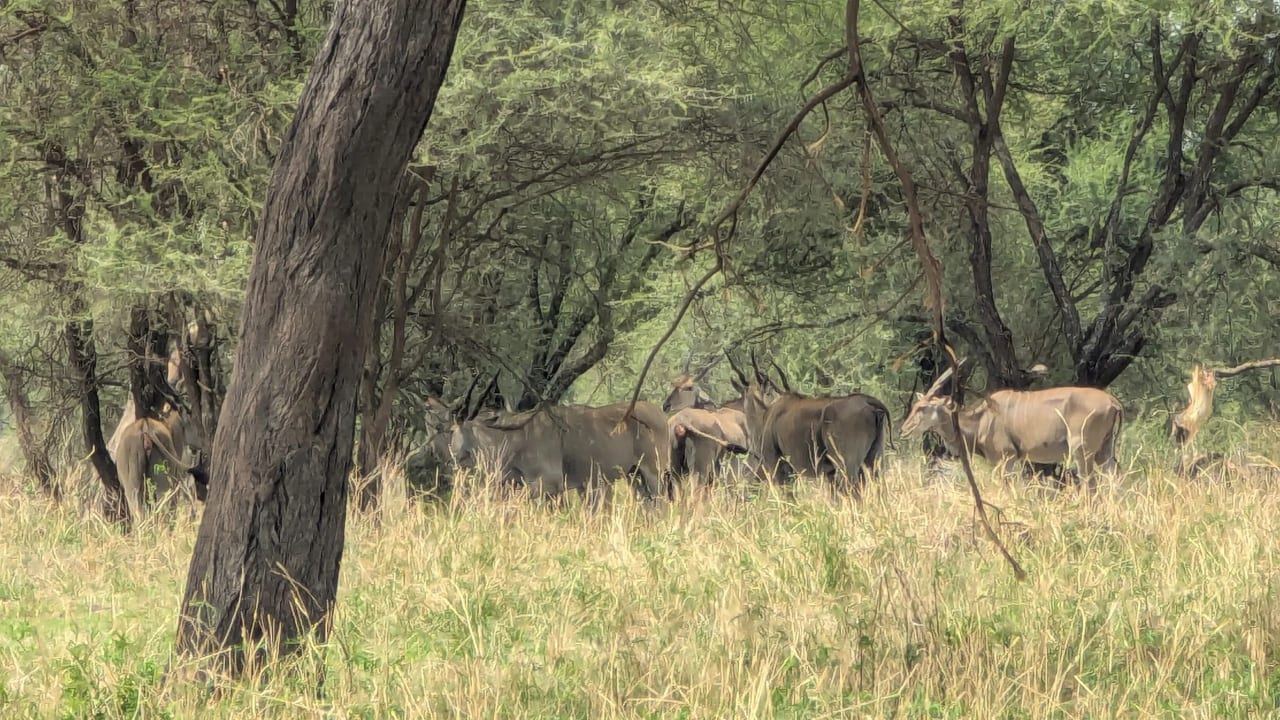
A herd of impala in woodland, Tanzania

6 Day Great Migration Safari: Tarangire & Serengeti

Follow the thunder of the Great Wildebeest Migration across the Serengeti, combined with giant elephant herds in Tarangire and the Big Five in Ngorongoro Crater.

Duration
6 days
Difficulty
Easy
Location
Tarangire, Central Serengeti, Migration Corridor & Ngorongoro
Max altitude
Ngorongoro Crater Rim: 2,300 m
Group size
2 to 7 passengers per 4x4 Land Cruiser

Signature Experience Highlights

  • Summit elevation reached: Ngorongoro Crater Rim: 2,300 m
  • Comprehensive journey through Tarangire, Central Serengeti, Migration Corridor & Ngorongoro
  • Optimal 6 days acclimatization schedule
  • Daily health checks & medical oxygen support on all mountain stages
  • 100% fair porter treatment compliant with high ethical standards

Tour Overview

The 6 Day Great Migration Safari is specifically engineered to track the greatest wildlife spectacle on our planet: over 1.5 million blue wildebeest, 300,000 zebras, and hundreds of thousands of gazelles marching across the Serengeti ecosystem in an endless quest for fresh grazing and water.

Why Choose the 6-Day Migration Route?

  • Tarangire National Park Kickoff: Experience the staggering elephant densities and ancient baobab cathedrals along the Tarangire River valley.
  • Dual-Sector Serengeti Immersion: Spend three full nights in Serengeti National Park, exploring both the resident predator heartland of Central Seronera and the active seasonal Great Migration sectors (Kogatende / Mara River in the North from July to October, or Ndutu / Southern Plains during the calving season from January to March).
  • Ngorongoro Crater Grand Finale: Cap off your expedition on the floor of the world’s largest unbroken volcanic caldera, observing endangered black rhinos, lion prides, and flamingos.

Our mobile-tracking safari setup ensures your itinerary dynamically adjusts to where the herds are actually grazing, maximizing your chances of witnessing dramatic river crossings or high-speed big cat hunts.
Geographic Profile

Route & Terrain Dynamics

Start & Base Tarangire, Central Serengeti, Migration Corridor & Ngorongoro
Apex Elevation Ngorongoro Crater Rim: 2,300 m
Trek Pacing "Pole, Pole" (Slow & Steady)

Daily walking times range from 4 to 7 hours across distinct biomes (rainforest, heath, alpine desert, and arctic summit scree). Elevation gains are strategically calculated to give your body adequate time to produce oxygen-carrying red blood cells naturally.

Transparency

What Is Included & Excluded

What's Included

  • All government taxes and 18% Value Added Tax (VAT)
  • All meals as specified in the day-by-day itinerary (Breakfast, Lunch, Dinner)
  • All national park entrance, conservation and camping fees
  • Complimentary bottled drinking water and tea/coffee during game drives
  • Custom 4x4 Land Cruiser with pop-up roof and guaranteed window seat
  • High-quality binoculars and reference wildlife field guides in vehicle
  • Pick-up and drop-off transfers in Arusha or Kilimanjaro International Airport (JRO)
  • Professional English-speaking wilderness guides & certified safari drivers

Not Included

  • Alcoholic beverages, sodas, and personal laundry services at lodges
  • International flights and Tanzania tourist entry visas
  • Optional cultural Maasai Boma or Olduvai Gorge museum visit
  • Optional hot air balloon safari over the Serengeti plains ($599/person)
  • Pre- and post-safari hotel accommodation in Arusha (available on request)
  • Tips and gratuities for safari driver-guide and lodge staff
  • Travel and medical evacuation insurance (strongly recommended)

Day by day

Detailed Itinerary

6Days Itinerary

Day by day • Detailed daily breakdown

  1. 1
    Arusha to Tarangire National Park (The Elephant Sanctuary)
    2 hours from Arusha (110 km)

    Meet your safari guide in Arusha after breakfast and journey south into Tarangire National Park. Known as the home of giants, Tarangire is famous for ancient baobab trees that tower above golden plains and dry river valleys. Spend the day tracking large elephant family herds along the Tarangire River, observing their fascinating social interactions and bathing rituals. Watch for tree-climbing lions, leopards resting in sausage trees, giraffes, zebras, and impalas before checking into your lodge on the park boundary for sunset drinks. • Drive Time: 2 hours from Arusha (110 km) • Game Drive Duration: 5 - 6 hours • Highlights: Hundreds of elephants, ancient baobab trees, Tarangire riverbed wildlife • Activity: Full Day Game Drive

  2. 2
    Tarangire to Central Serengeti National Park (Seronera Heartland)
    5 hours with scenic wildlife transit

    Leave Tarangire early and traverse the lush agricultural highlands of Karatu before entering the Ngorongoro Conservation Area. Pass through the dramatic Naabi Hill Gate into the Serengeti plains. Proceed on an exhilarating afternoon game drive through the Seronera Valley. The abundant permanent water sources of the Seronera River attract huge resident populations of plains herbivores and the highest density of big cats in Africa. End the day at your authentic tented safari camp under a canopy of stars. • Drive Time: 5 hours with scenic wildlife transit • Game Drive Duration: 3 - 4 hours afternoon drive • Highlights: Great Rift Valley escarpment, Seronera big cats, vast savanna horizons • Activity: Transit & Afternoon Game Drive

  3. 3
    Central Serengeti to the Migration Corridor (North / Western Serengeti)

    Depart the central plains and travel deeper into the seasonal migration corridor (Kogatende in the North from July to October, or Western Corridor Grumeti from May to July). As you drive north along the Bologonja and Lobo hills, watch the landscape change into rolling acacia ridges and granite kopjes. Encounter mega-herds of wildebeest and zebras gathered along migration routes, flanked by opportunistic predators including hyena clans, cheetahs, and territorial lion prides. Arrive at your camp near the migration action. • Game Drive: Full day migration game drive en route • Highlights: Massive columns of wildebeest and zebra, kopje predators, wild river valleys • Activity: Full Day Migration Game Drive

  4. 4
    Full Day Great Migration Tracking & River Crossing Watch

    Spend a full day devoted to the Great Migration. Depending on the season, head to the banks of the Mara River where thousands of wildebeest nervously congregate on high bluffs, building the courage to plunge into surging waters fraught with colossal Nile crocodiles. Witness the raw intensity of dust, splashing hooves, and predators waiting in ambush. In calving season (January to March), explore the southern Ndutu plains where 8,000 wildebeest calves are born daily, attracting swift cheetahs and leopard hunts. Enjoy a scenic bush picnic lunch surrounded by wild nature. • Game Drive: Morning & afternoon intensive migration drives • Highlights: River crossing dynamics, crocodile encounters, predatory chase scenes • Activity: Full Day River Crossing / Migration Safari

  5. 5
    Migration Sector to Ngorongoro Conservation Area Rim
    5 - 6 hours with game viewing transit

    Begin your return journey south with an early morning game drive, watching the golden dawn illuminate the boundless Serengeti plains. Keep your cameras ready for leopards lounging on horizontal tree branches and jackals hunting in the morning mist. Stop for lunch at Naabi Hill before ascending into the cool, forested highlands of the Ngorongoro Conservation Area. Reach your lodge situated on the crater rim in time to watch the sun drop behind the caldera wall. • Drive Time: 5 - 6 hours with game viewing transit • Highlights: Morning predator hunts, scenic transit across Serengeti, crater rim vistas • Activity: Morning Game Drive & Transit

  6. 6
    Ngorongoro Crater Floor Big Five Safari & Return to Arusha

    Descend early through the mist into the world-famous Ngorongoro Crater, the ultimate natural wildlife enclosure. The fertile 260 sq km crater floor is home to over 25,000 large mammals, including all members of the Big Five. Track black rhinos across open grasslands, watch resident lion prides stalking wildebeest near Lake Magadi, and photograph majestic tusker elephants in the Lerai Forest. After a scenic picnic lunch beside the hippo-filled Ngoitoktok Springs, ascend the crater walls and transfer back to Arusha or Kilimanjaro International Airport. • Crater Safari: 5 - 6 hours on caldera floor • Transfer to Arusha: 3.5 hours • Highlights: Black rhinos, Ngoitoktok hippo pool, Big Five density • Activity: 6-Hour Crater Floor Safari & Transfer

Accommodation Standards & Comfort

On trekking itineraries, we provide four-season expedition mountain tents with thick high-density foam sleeping pads, private chemical toilet tents, and a spacious all-weather mess tent with dining tables and back-supported chairs. On safari days, lodging matches your chosen comfort tier (hand-picked eco-lodges or luxury tented safari camps with en-suite bathrooms and solar hot water).

4-Season Tents Wind & waterproof
Private Toilet Tent Sanitary & private
Dining Mess Tent Hot prepared meals
Lodge Options Comfort to Luxury

Preparation

Difficulty & Fitness Requirements

Grade: Easy No technical climbing gear required

This trip requires good cardiovascular fitness and leg endurance. Prior mountaineering experience is not mandatory, but you should be capable of walking 5 to 7 hours per day with a 6–8 kg daypack. We recommend 8 to 12 weeks of training before departure: stair climbing, trail hiking with a loaded backpack, and aerobic workouts (jogging, swimming, cycling).

Aerobic Training 3x weekly cardio sessions
Hiking Practice Hill walking with daypack
Mental Focus Patience and steady pacing

Clear value

Pricing & Departure Schedule

Indicative Base Fare

From $1,980 per person

Regular: $2,250

Private Departure Year-Round Includes all park conservation fees and crew wages

Private Treks: Start any day of the year you choose. No penalty for solo or duo parties.

Open Group Treks: Scheduled weekly departures during the dry seasons (June–October & December–March).

Solo Climbers: Join an existing open departure or book a dedicated private expedition.

Our Standard

Medical Safety & Ethical Crew Care

Safety Protocols

  • Twice-daily pulse oximeter and Lake Louise AMS evaluations.
  • Emergency medical oxygen cylinders on every climb.
  • Wilderness First Responder (WFR) certified lead mountain guides.
  • Direct satellite and radio communication with base dispatch in Moshi.

Fair Porter Welfare

  • Fair, timely wages exceeding national park statutory minimums.
  • Enforced 20 kg strict porter load limit verified at gate scales.
  • Warm all-weather mountain tents and three hot meals provided daily.
  • Medical care and emergency mountain transport for all crew members.

Gear Checklist

Packing & Equipment Checklist

Essential Gear Essentials

Clothing Layers:

  • Moisture-wicking thermal base layers
  • Insulating fleece or down mid-layer jacket
  • Waterproof Gore-Tex hard-shell jacket & pants
  • Heavy summit mittens and windproof gloves

Footwear & Gear:

  • Broken-in waterproof hiking boots
  • Four-season sleeping bag (rated to -10°C)
  • Headlamp with spare lithium batteries
  • Telescopic trekking poles with rubber tips
Gear rental is available in Moshi before departure. Read gear & preparation advice →

Travelled with us? Share your feedback

Answers

Frequently Asked Questions

Where is the Great Migration located during each month of the year?

The migration is a continuous year-round circular cycle: (1) December to March: Southern Serengeti and Ndutu for the great calving season; (2) April to June: Western Corridor along the Grumeti River; (3) July to October: Northern Serengeti and Kogatende along the Mara River for dramatic crossings; (4) November: Herds move south through Lobo and Central Seronera.

Was this answer helpful?
Can we witness river crossings on this 6-day itinerary?

Between July and October, our 6-day migration itinerary bases you directly in the Northern Serengeti / Kogatende sector within minutes of key Mara River crossing points (Crossings 1 through 10). While crossings are natural and unpredictable, spending dedicated days along the river gives you the highest possible chance of witnessing one.

Was this answer helpful?
What vehicle and equipment are provided for game drives?

You travel in a customized 4x4 Toyota Land Cruiser featuring a pop-up roof hatch, heavy-duty suspension, high-clearance tires, guaranteed window seats, power inverter for charging camera batteries, a mini-refrigerator with chilled water, and pair of high-powered safari binoculars.

Was this answer helpful?
How demanding is this itinerary physically?

This safari is very relaxed physically and suitable for all ages. Most game viewing occurs comfortably from inside the vehicle. Roads inside the parks can be bumpy ('African massage'), but our professional drivers prioritize smooth handling and regular comfort breaks.

Was this answer helpful?

Common questions

Frequently asked questions

What is included in your safari and tour packages?

Most of our packages include accommodation, meals, park fees, private 4x4 safari transport, professional guides, airport or hotel transfers, and activities mentioned in the itinerary. Specific inclusions may vary depending on the tour.

Was this answer helpful?
What is the best time to visit Tanzania?

Tanzania can be visited year-round, but the best time for safaris is usually during the dry season from June to October. Zanzibar is also beautiful during this period, while Kilimanjaro climbs are ideal from January to March and June to October.

Was this answer helpful?
Can I customize my safari itinerary?

Yes! We specialize in personalized experiences and can tailor your safari, Zanzibar holiday, or Kilimanjaro trek based on your travel style, budget, and preferences.

Was this answer helpful?
What type of accommodations do you offer?

We offer a variety of accommodations including budget camps, mid-range lodges, luxury safari lodges, beachfront resorts, and mountain camps during Kilimanjaro treks.

Was this answer helpful?
Are your safaris private or shared?

We offer both private and group safari options. Private safaris provide a more personalized experience, while group safaris are a great option for travelers looking for a more affordable adventure.

Was this answer helpful?
Is climbing Mount Kilimanjaro difficult?

Climbing Kilimanjaro is physically challenging but achievable for most people with proper preparation and determination. Choosing the right route and itinerary greatly improves acclimatization and summit success.

Was this answer helpful?

All questions

Plan with confidence

What travellers ask before they book

Keep reading

Related guides and articles

All guides →